Recent Posts

How to Soundproof a Transport Truck Cab & Sleeper


If you’re in the trucking industry, then you know as well as anyone that sound dampening a transport truck is a classic problem. Trucking and also car companies spend a lot of time at figuring out the best ways to cut cost without compromising their products. In the end, though, soundproofing is not their top priority.

There are four primary sources of noise coming into a semi’s cab. The best way to soundproof a transport truck cab and sleeper is by introducing some high-quality sound deadening products in strategic locations. 

Sound deadening is relevant because semi trucks produce a high degree of low-frequency noises (<90Hz) that can be difficult to absorb. Of course, I can’t give you an exact detailed fix on your particular truck, but I can certainly provide you with some basic rules to follow.

To keep your cost down, you should find out where the majority of the noise pollution comes from and begin from there. You can also buy an already made soundproofing kit for your transport truck, but I will dive more into that bellow.

Main Noise Causes in a Truck Cabin

1 – Noise Coming Through Hard Surfaces

Windows, floorboards, roof, doors, firewall. These are all outside noises that are transmitting into the semi’s cab through hard surfaces.

This noise is decreased by changing the mass/dampening proportion of the product you’re trying to soundproof. That is hefty carpeting, mats, rubber mounts, thick flexible seals to stop windows from transmitting.

Easy Fix;

There are a few easy fixes to solve this problem by concentrating on the thick heavy padding on the firewall and also the engine cover if cab over. You will need to cover as much bare metal as you can. There are some area where you might have to utilize thinner material to achieve this, but it will be well worth it if you succeed.

Use glue and caulking that is made explicitly for soundproofing projects because they are prepared to remain pliable and soft. This type of glue won’t crack over time. The best thing to use however is a sound absorbing mat that is self-adhesive. Most of the mats on the market today has this feature.

Do the same on the floorboards, though you might use a thinner lighter material than on the firewall. Once again, adhesive it down, or at least the pad to the carpet.

Velcro can also be useful. Likewise, you could get spray-on dampening (undercoat) and also utilize where it is most needed. However, many people don’t like using velcro because they want a more permanent fix to their noise problems.

Velcro could, however, be an excellent choice for someone that is only renting a truck for a certain amount of time and have to return it in the same state they started.

Semi Truck Noise Deadening
Semi Truck Noise Deadening and Soundproofing.

2 – Outside noise that enters via open spaces

You know as well as I do how wind noise can enter a car an cause enough noise to make for an uncomfortable ride. A transport truck is certainly no exception.

The sheer size of a semi truck will have many gaps and cracks to let wind noise in the cab. The gaps in the door and window seals. There is also clutch leaking in the floorboards to consider.

You will need to seal all these gaps with a soft and flexible seal, so you’re not providing a vibration path from one part to another.

Easy Fix;

The easy fix is of course to seal all the cracks and gaps. To do this, you will only need simple rubber grommets for the holes.

First, make sure the door and window seals are in great shape, so it does not let air squeeze through. You can use heavy tape to cover the small holes, cracks and other signs of wear that could cause wind noise while driving.

Don’t forget to check the seal around the windshield for any signs of wear. The signs of wear will be evident by showing cracks if the glass is not touching ONLY the seal or sealants around the windshield.

3 – Noise created inside the cab from parts hitting each other

If you’ve been driving thousands of miles in a semi, then you know what I’m talking about when I mention rattling. Especially rattles from objects hitting each other and hard surface to hard surface contact (loose panels, tools, etc…)

Easy Fix;

This is indeed one of the easiest fixes you can do to achieve a quieter ride unless you need to start tearing panels apart and such, but we’ll get into that in a bit.

First, of course, you’ll need to check every panel. Also, make sure the bolted items are secure and not moving around hitting another hard surface.

Don’t forget to take a look at all access panels.

Dash panels, in particular, are a frequent cause of rattle. The fuse panel and glove box door are usually the main culprits of rattling panels.

One person I was talking to in a Reddit forum told me that he uses silicone caulk to create a perfectly fitted seal around the rattling panel.

Put the silicone where you think the rattle is coming from, cover with plastic wrap and place the panel back on its proper position. After the silicone is dry, peel the plastic wrap off, and you should now have a perfect seel.

If you decide not to go with silicone caulk, you can also use little rubber pads. All trucks are different so make sure you find the problem before buying the proper materials, so you get the job done right the first time.

4 – Noise inside reflected by hard flat surfaces inside the cab.

Examples of inside noise reflected by hard surfaces will be coming from bare floorboards and even cabinet walls, especially if you have a back sleeper inside your transport truck.

Easy Fix;

All you would need to do is to cover any hard flat surfaces with something rough and flexible. Heavy thick cloth, carpet or leather (with a thin pad underneath it) would do the trick.

Products to Use to Soundproof a Transport Truck

After talking to many truckers that have actually done these types of projects, the product THEY recommend using would be Dynamat Self-Adhesive Sound Deadener Kit.

Another great product is the B-Quiet Extreme Composite Mat (Amazon). A lot of truckers use this product as much as the Dynamat, so the choice is yours. Sometimes it just comes to pricing, but either product will work wonders in semi sound deadening projects.

If at all possible apply a noise insulation mat that is at least 3/8″ thick. The one that offers you the most weight and thickness per dollar.

The best thing about the Dynamat sound deadner kit is that it is almost 1/2″ thick so this will be plenty of thickness to reduce a high amount of noise and vibration.

How to Install a Sound Deadener Mat

The surface of the semi truck you are applying sound deadener mat to should be clean of dust, moisture, grease and other foreign materials.

Measure and cut off a piece of Dynamat or B-Quiet sound deadening mat using scissors or a utility knife. You should not cut the pieces too small since it will only take longer to apply.

Keeping the pieces around a square foot will speed the process considerably. Heating these types of sound deadening mats (with a heat gun or hair-dryer) before applying is not required as is the case with many other deadeners made from different materials.

As long as it is applied at or above room temperature, it will form a solid bond to the metal in which it’s implemented on.

Peel the paper backing off (if it is a self-adhesive mat), and slowly lay the material down inch by inch. Take your time and slowly push the material into the contours of the panels.

Remember to mark off any clip holes and screw holes that will be covered, so you can cut them out as soon as a sheet has been applied.

Some mats come with a rough side and a smooth side. The rough side of the mat should face the cab, and the smooth side has to make contact with the panel you want for sound deadening.

This is very important and might be considered common sense, but not everyone would know this fact.

Other materials you can use are carpeting. The thicker, softer and heavier carpets will do a better job in sound insulation versus different types of carpets.

You can find tape, rubber seals, grommets, silicone sealant (caulk) at your local hardware store or by clicking this Amazon link for all the smaller sound deading materials.

What I would not recommend is using roofing tar on a transport truck in hopes of sound deadening and soundproofing. Wait until you have the money to buy what you need to do the job right.

Trust me, sloshing roofing tar on the inside of a semi cab that is worth well over a hundred thousand dollars is probably not the best idea.

Final Words

Soundproofing and sound deadening a transport truck will make all the difference in the world in the quality of your ride. You spend a lot of time in a long haul truck, and it should be at least quiet enough to hear yourself think.

By reducing the decibels, you will be able to listen to the radio at a much lower volume which will be better for your health. This is something people only realize after the fact and have no regrets in going through this process.

Let us know at Soundproofguide if you have any suggestions for soundproofing your semi that we might have overlooked. I read a lot of what truckers had to say in forums and were very careful to only chose the right advice to relay to you.

How To Reduce Engine and Road Noise With Car Hood Soundproofing – Under $50

How to Soundproof Car Doors? Sound Deadening Car Doors That Works!

How to Soundproof a Sliding Glass Door the CHEAP Way!


Most homes have at least one sliding door, usually, the door leading to the back deck. Some of these doors are good at blocking unwanted noise, and the rest are quite inadequate at soundproofing. But one thing they all have in common is that there are things you can do to make these sliding glass doors more soundproof, and that’s what I will be talking about in this article.

There are many ways to soundproof a sliding glass door, but the best way would be weatherstripping and special door sweeps.

There are more ways to reduce the noise coming in from a glass door below so keep reading.

Glass doors are a pain to try to soundproof because either way, you will need to cover the glass in some way to block the intruding noise. Of course, when you block the glass, you mostly make a glass door useless by not being able to see the view.

I will be focusing on sliding glass doors for indoor and outdoor as well. The reason people are trying to soundproof their sliding glass door is that this is a much higher area for sound pollution than wood doors are; because for a wood door, you would only need to buy a thicker and sturdier door.

I will also be talking about other methods to soundproof a sliding glass door. Soundproofing a sliding door is much more difficult than a traditional swinging door.

Top Ways to Reduce Noise Coming Through a Sliding Glass Door Interior and Exterior

soundproof sliding glass door.
Sliding glass door noise reduction.

1 – Make Sure to Seal All the Cracks

The first thing you need to do is to seal all the cracks around the sliding door that may have formed due to aging or weather. Make sure there are no air gaps where noise could come through.

You can slowly pass your hand around the door. If you feel cold air (in colder climates) then you know there is an intrusion.

A millimeter crack will make a huge difference as to how much noise from outside comes into the home. Make sure it’s sealed shut with special soundproofing caulking.

What’s nice with this type of caulking is that over time It will remain flexible, so no cracks develop.

2 – Door Sweep for Noise Reduction

Another great way to seal the bottom crack on an interior sliding glass door would be to install a small door sweep. We have a sliding glass door leading to the laundry room from our kitchen. I installed a sweep to minimize noise coming through from the washer and dryer.

The door sweep that I used is the Energy Efficient Door Under Seal Door Noise Stopper & soundproofing Door Weather Stripping from Amazon.

This might not be the best door sweep but this is the one I bought, and It works great for me. One big reason I chose this door sweep is that it’s very thin and also self-adhesive.

It is thin enough so the door can still slide in its interior wall slot without scrapping or snagging while sliding the door.

This particular door sweep is also very inexpensive, and an easy DIY soundproofing fix!

3 – Apply a Special Kind Weather Stipe

There are certain types of weather strips that I found that would work very well for an interior sliding glass door. You just need to make sure the weatherstrip is not too thick. If the strip is too thick, then the door won’t slide as easily.

If the weatherstrip is too thin, it will allow the noise to get through from the bottom of the door.

The one that I recommend after talking to a few people in a Reddit forum that had this issue with their sliding door is an Auspa duel weatherstrip from Amazon.

This weatherstrip is self-adhesive for easy installation on the very bottom of the sliding door facing down. The foam should slide nicely on the floor as you’re opening and closing the door.

4 – Soundproof Curtains

You probably already have a curtain in front of your sliding glass door leading outside, and that curtain will help block some of the noise coming from outdoors.

You can also swap it out with a thicker soundproof curtain that is explicitly made to block light and most importantly, noise.

This soundproofing method would not work well for in indoor sliding door; Because who wants to hang curtains permanently inside their home? You might as well swap out the glass door for a wooden door if that’s the case.

Whichever curtain you chose make sure its long enough that it touches the floor. If you leave a gap between the curtain and the floor, the soundproof elements of the curtain would be compromised.

5 – Soundproof Blanket

Placing a soundproof blanket on a sliding door could be a pain if you’re coming and going a lot through that particular doorway, but it could be an asset if you only want to block noise temporarily while you’re trying to concentrate.

After doing some research, I found the blanket that in my opinion would work best. The Soundproof Grommet Industrial Blanket would be my top choice because of the way it’s built and the soundproofing attributes.

You could simply use moving blankets but how would you go about hanging them? At least these noise reduction blankets have holes made for hanging. The holes are also reinforced with metal every 9″ on one side to hang evenly.

6 – Thick Blinds

I was watching a YouTube video of a man demonstrating a type of thick modern set of blinds on his glass door, and I was intrigued. If you watch the video, you will notice how they work, and if you add some soundproof curtains on top of having blinds, then the noise should be reduced even more.

Soundproof Sliding Glass Door Cost

If you want to go a different route and not want to bother with soundproofing an existing sliding, then there is another option. This option will be more expensive of course but will also be much more effective.

You can buy a specially made soundproof sliding door, but how much do these types of door cost and how do they work? Well, lucky for you I’ve done a bit of study into this subject.

The cost of a sliding glass door would typically range from $1,300 to $4,000. The wide range in price will be due to the size of the door and also the quality of the material and construction.

Choosing to buy a professionally made soundproof sliding door will have many benefits. Of course, nothing is genuinely soundproof, and a door is no exception.

These types of doors do however do a fantastic job of blocking 75% to 95% of outside noise!

You see a lot of these sliding glass doors in hotel rooms that are situated close to airports. This level of noise reduction is made possible by having multiple panes of glass individually separated by an air gap. It reminds me of a resilient channel.

Add a Second Sliding Glass Door!

Another method that I almost never hear mention but have seen for myself how good it works is installing a second sliding glass door in front or behind the existing one.

The second door adds a lot more noise reduction and also gives greater security to the home.

By adding a second door, you will also be virtually eliminating the cold draft coming from the sliding door. The room with an entry such as this is usually in the room which is the coldest and draftiest.

The glass is less than ideal in sealing the cold so by adding a second one you could make this room the coziest one in the house.

Advantages of Sliding Glass Doors

  1. Noise reduction of beyond 75% and upwards of 95% in some circumstances.
  2. Insulation benefits that come from having a soundproof window.
  3. There are also security benefits by installing a soundproof sliding glass door. If the doors have laminated glass, then the security aspect is significantly increased. Intruders usually target sliding glass doors because these doors are traditionally made from tempered glass. Breaking a laminated glass is much more difficult for a burglar because it takes more time and also very loud when they succeed.

To Conclude

I hope this article helps you in some way to soundproof your sliding glass door. One thing also is to make sure is to pay attention to the STC and NRC ratings on your door before making your purchase.

Let me know if you know of any other ways of sufficiently soundproofing your sliding glass door by leaving a comment below.

11 Ways to Reduce Noise In a Hotel Room


If you’re like me, your first thought when staying in a hotel is that you hope that your room will be quiet. I’ve stayed in hotels that had walls that were paper thin and hardly had any sleep because of noisy neighbors. Most hotel chains seem to not have this as a top priority when building new hotels. I decided to do some research to find out the best ways for how to reduce noise in a hotel room.

The ultimate best way to reduce noise in a hotel room is to take the hotel room soundproofing into your own hand and wear a pair of earplugs! Of course, it’s probably best if you have someone sleeping with you that could alert you if there are any alarms that go off. But there are certainly more ways to make your hotel room quiet so you can have a restful sleep.

I think that finding a hotel with quiet rooms is very important for many different reasons. But one thing I found out by searching online is that hotels are not taking noise control very seriously. Some say they are but they are far and few between and there is a “Quiet Room Label Certification” that began a few years ago and I’ll talk more about that below. So then I shifted my focus on how to find the best quiet room in a non-soundproof hotel and also how to soundproof a hotel room.

11 Ways to Soundproof a Hotel Room

1 – If Possible, Book at an Airport Hotel

Airport hotels are more likely to have travelers staying there between flights and are most likely only there to crash. Also, another important reason that staying in an airport hotel is a good idea is they are more likely to have soundproof windows and have more soundproofing elements throughout the building to drown out aircraft engine noise.

There will be a lot of planes flying overhead and making the room as quiet as they can is essential otherwise no one would stay there because it would be a known thing that hotels close to an airport are noisy and should be avoided. Most of them don’t have that stigma attached to them and soundproofing is the reason why.

2 – Travel With a White Noise Machine

If you’re a light sleeper then a travel size white noise machine might be a great idea! I have one at home in my kid’s room and they work wonders but some people can benefit from a smaller version to bring along while staying in hotels. It is suggested that you use an actual white noise machine and not an app from your phone.

3 – Avoid Rooms with an Adjoining Door

Try to avoid staying in a room that has an adjoining door with the room next to you, unless of course, you know the people beside you.

Anytime you have a big hole in the wall and you plug it up with a door you’re going to have more noise coming into your room even if the door is considered soundproof. Which they are usually not because there are two doors so hotels see no reason to have expensive soundproof doors adjoining the rooms.

4 – Request a Room away from Certain Area’s of the Hotel

There are certain spots in the hotels that will b much noisier than others. Some of those places are pool areas and restaurants.

You don’t want to be above a restaurant and hear the silverware clatter while you’re trying to have an afternoon snooze. Same goes with the pool, the closer your room is to the pool, the noisier your room will be. The pool area is noisier than what people might expect due to the massive echo that resonates from the pool area.

The gym and ballrooms should also be as far from your room as possible. all of these amenities are usually on the first floor so you should be fine if you’re on the third floor and up.

5 – Asked the Front Desk Before Booking

When booking your reservation, ask them if they know of any events going on at the hotel during your stay. If there’s a wedding reception or if there are a bunch of kids hockey teams staying there then it might be best to find other accommodations. If finding another hotel is too difficult then ask them if they can have your room away from all the hustle and bustle of those different events.

6 – Ask For Another Room

If your first night was too noisy or if you’re still trying to sleep try calling the front desk if they can have you change rooms to a more quieter room. The worst they can say is no so give it a shot!

7 – Trip Advisor

Before I book anything I usually check out Trip Advisor to see what the accommodations reviews look like. I don’t pay too much attention to the one-star reviews if the majority of reviews are five stars, some people just like to complain.

But if you do see a trend with a recurring complaint coming from the one-star reviews then you might want to pay closer attention to the hotel’s shortcomings.

Some people will also mention in their reviews what specific rooms they would recommend. This is a popular practice among reviewers when writing reviews about large beach resorts or rooms on a cruise ship.

8 – Stay Away From the Elevator and Ice Machines

As you must already know, the ice machine makes quite a bit of noise so it would be best if your room is not beside it and the vending machines.

The elevators should also be far enough away from your room that you cant hear people going in and out all the time.  And that DING noise, if you can hear it from your room then you’re definitely too close to the elevator. most elevator traffic seems to be early in the morning or late at night.

Ask if you can have your room towards the middle of the hallway because it tends to be the quietest area of each floor. The room will be away from the noisy areas like the elevator, vending and ice machines, concierge closet, laundry room and the exits using the stairs.

9 – Wear Earplugs

I sometimes wear earplugs and can sleep very well while wearing them. Just make sure you’re not alone in case you can’t hear the alarm but just to clarify, there is an alarm in each room and they are very loud, you should be able to wake up from the alarm noise even while wearing earplugs.

10 – Block the Bottom of the Door

One thing I never could understand with hotels is why would most of them leave an almost half inch gap between the door and the floor. Door sweeps are not very expensive and could greatly reduce the noise flowing into the room underneath the door.

You can easily plug that noisy void with a blanket. Call the front desk and have them bring up an extra blanket so you can seal the bottom of the door yourself. This will help a lot especially if there’s a lot of foot traffic and an elevator close by.

11 – Noise Cancelling Headphones

You have a couple of choices when talking about headphones to help you sleep. You can choose either noise-canceling headphones or noise Isolation earplugs.

Noise Isolation earplugs for sleep work great if you’re a person that sleeps on their side because if they are made specifically for sleeping then you shouldn’t have anything to worry about regarding comfort while you had is on the pillow.

Noise canceling headphones for sleeping are for people who would tend to sleep on their backs and not be rolling around much. I can use mine when I sleep because I sleep on my back and find the ones I bought comfortable enough to get me out of a bind if I need some peace and quiet.

Something to remember about noise canceling headphones is that it eliminates the background noise but it will not be successful at eliminating sudden loud outburst of noise like an alarm. In that case, you don’t have to worry about sleeping through a fire and having the cold water from the sprinkler waking you versus the alarm.

Noise Isolating Earbuds
Noise Isolating Earbuds – Perfect for Sleeping – Picture Credit Alibaba.

Conclusion

These are all the tips the team at soundproofguide.com could come up with to make your hotel room quieter. Please let us know if you have any other suggestions for soundproofing a hotel room that we might have forgotten.

Also, check out our other articles and our new YouTube channel for more soundproofing DIY guides and general information about noise isolation and soundproofing.

How to Soundproof a Room For Under 50 Dollars That Actually Work!

How Quiet Are Bladeless Fans – And How Do Bladeless Fans Work?


Years ago I went into my local BestBuy store and saw something I had never seen before, a Dyson Bladeless Fan. The first thing I did notice was how quiet they are and also how modern it looks! But as more and more less expensive bladeless fans are coming into the market, I ask myself, how quiet are bladeless fans?

So, How quiet are bladeless fans? Bladeless fans, in general, are between 37 Decibels minimum and 57 Decibels maximum. I got those figures from a representative from Dyson.  

There are some cheaper alternatives out there that claim to be even quieter.

I will be talking about how quiet these fans are, from the Dyson’s all the way to the less expensive alternatives. But first, let’s learn how these fans work without blades.

How Do Bladeless Fans Work?

Bladeless fans work very differently than your traditional fan. They are much quieter and a lot easier to clean since you don’t have to open a cage to get to the blades.

But how do bladeless fans work? The air is sucked in from the bottom of the base like a vacuum and goes through a mix flow impeller. The mix flow impeller gives the air high pressure and high flow.

As the air goes up through the impeller it comes out through a very thin slot that spans the entire circle of the fan itself (not the base).

When the air comes out of the slot, it flows over the interior side of the circle creating negative pressure multiplying by several times down an expanding cone.

As the air flow exits as a cylinder of air, there is more air added on top of that called viscous shearing.

So basically there are three stages the air goes through to give you the smooth stream of air you receive from a bladeless fan.

  1. Air comes out and flows over the airplane wing shape cylinder of the fan.
  2. The expanding cone
  3. Viscous Shearing

These three stages the air goes through while a bladeless fan is turned on multiplies the air between one and sixteen times the original air flow.

What Are the Advantages of Bladeless Fans

There are many advantages of bladeless fans compared to the tradition  types of fans

1. How Quiet Bladeless Fans Are

The first advantage, of course, is how much more quiet bladeless fans are compared to the alternative. As I was talking to a representative from Dyson they gave me the figures I stated above of 37 decibel’s minimum noise to 57 decibel’s maximum.

Some less expensive knock-offs selling on Amazon or eBay claims to be as silent as 13 decibels but from the many YouTube video reviews I’ve watched proves that claim is FALSE.

Many reviews, however, do state that the cheaper bladeless fans are still much more silent than regular blade fans. So there is still an advantage of buying a Dyson copy versus a traditional fan.

2. How Bladeless Fans Are Easier To Clean

Another significant advantage of having a bladeless fan is how much easier they are to clean. There are no blades to clean and no cages to unhinge to wipe off all the dust.

All you need to do is wipe the entirety of the fan with a damp cloth, and you’re done. Fast and easy!

3. Smoother Air Flow From a Bladeless Fan

This is an advantage that I never even thought of before trying out a bladeless fan.

One of the videos from Dyson explains how the airflow is much smoother than a blade fan. This claim is very accurate after doing a side by side comparison.

There are no blades to cut and then push the air towards me because there are no blades to do the cutting!

All that’s left is a smooth flow of air that doesn’t seem as disruptive as a conventional blade fan.

Are Bladeless Fans More Energy Efficient?

You would think that a typical bladeless fan would be much more energy efficient than a regular fan right? Well, they are, kind of. It depends which bladeless fan you compare to a blade fan.

The range of energy consumption from bladeless fans is between 30 W/hr. To 50 W/hr. Give or take a few Watts of course.

The range of energy consumption from blade fans is between 40 Watts to 100 Watts. Again, give or take a few Watts of course.

What that means is if you were running a bladeless fan for one hour at 10 cents a KWh (0.03 or 0.05 kWh X 10 cents) would cost you between 30 and 50 cents for every hour the fan is running. That’s pretty cheap in my opinion.

Now let’s calculate the energy consumption of blade fans to see how it compares with bladeless fans.

If you’re running a blade fan at 10 cents a KWh (0.04 to 0.1 kWh X 10 cents) would cost between 40 cents to 1 dollar for every hour the fan is running.

I would tend to guess that most blade fans of today would be more in the 70-watt range by looking through a bunch of specs from different manufacturers.

It doesn’t seem like a big difference, but during a warm month with many hours of use, there will be a more noticeable difference.

So all in all, bladeless fans, for the most part, are more energy efficient than regular blade fans.

Why Are Bladeless Fans Quieter Than Regular Fans?

Bladeless fans are quiet for many reasons compared to their bladed counterpart. For one, you don’t have the whooshing noise from the blades pushing the air through the protective screen.

The protective screen can also become a bit lose and cause a metallic vibrational noise as the two parts of the screen loosely touch each other while vibrating.

There are also less moving parts and the moving parts that bladeless fans do have are very small an well refined. Of course, you will have the circular section where the air comes through that can move from side to side from the base.

You may still have a grinding noise when the fans turn from side to side. The circular section is much lighter on a bladeless fan than a regular fan since it doesn’t have to support any moving blades.

The quality of the fan is also a factor as to how seamless all the moving parts will work together. You can buy a bladeless fan that is dirt cheap that makes noise and doesn’t work very well just like you can buy a high-quality convention fan that makes very little noise.

It’s better to do your homework and read as many reviews as you can before making your choice.

Dyson Bladeless Fan Vs Cheaper Knockoff.

What Are the Best Bladeless Fans?

After doing some research by reading reviews and going to my local electronics and actually look and listen to the fans, I can give you a few suggestions on what I think are the best bladeless fans out there.

Dyson Air Multiplier AM07 Tower Fan is undoubtedly the fan that I recommend! 

I was lucky to buy one on sale through Amazon a few months ago. If you’re not in a big rush to buy a bladeless fan then wait until you can find a Dyson on sale.

Click here to check the current price from Amazon on a variety of Dyson fans.

If a Dyson is out of your price range then there are some less expensive choices that are still very good at their price point.

The PureFlow QT7 Bladeless Fan (Amazon) is a good alternative to the Dyson. The difference is that it looks nothing like the Dyson.

The Pureflow QT7 is the only Bladeless fan that I felt comfortable recommending because first; I never tried one and second; All the other Dyson copies from Amazon had such horrible reviews

Conclusion

I think it’s pretty self-evident that Bladeless Fans are quieter than regular fans but there is a hefty price to be paid for the silence and futuristic look.

Thanks for checking us out and let us know your opinion on the bladeless fan that you own.


Are Noise Cancelling Headphones Safe For Babies


One type of personal noise reduction from all sorts of noise is noise canceling technology. If you’re like me, you probably had no clue how this technology works and how they incorporated in headphones. Are noise canceling headphones safe for babies? I know that some people use these types of headphones to help babies relax and eventually fall asleep but are they harmful?

The quick answer for if noise-canceling headphones are safe for babies is yes, and better yet, they could actually be beneficial to your toddlers and infants. Unlike cellular phones, noise-canceling headphones do not release any of the potential harmful low-level radiation; And does not pose any of the likely risks that could arise from continuously holding a cell phone against the ear. There are also many benefits for young children sometimes to wear active noise canceling headphones in a noisy environment. 

First Things First, How Do Active Noise Cancelling Headphones Work?

To figure out if these types of headphones are harmful to babies you must first understand the technology behind these types of headphones.

Most people began buying noise-canceling headphones to use in an airplane. They are wonderful for drowning out the constant humming of the engine.

The headphones will cancel the outside noise by about 70%. They do this by generating an “anti-noise” or “destructive interference.” One tip, avoid telling the flight attendants that you’re creating destructive interference when they ask you to place your headphones down during takeoff and landing. An uninformed person might see this as a potential threat, but it could also make for a funny story!

The anti-noise sound waves will destroy incoming sound waves before they reach your ears. Sound travels in waves and these waves have peaks and troughs. If you have two sound waves that collide in a way that the peaks of one wave end up precisely with the peaks of another, it’ll actually dramatically increase the amplitude of the sound waves. This would kind of be the exact opposite of noise cancelation; this is more in the area of amplifying.

Sound Waves
Sound Waves exactly in sink raising noise level.

Now imagine the sound wave peaks lining up exactly with the troughs of the other sound wave; the results would be that the sound waves are out of phase. When they become out of phase the sound waves can essentially cancel each other out and by doing this, eliminating the noise to a certain degree.

Noise Cancelling Sound Waves.
Noise Cancelling Headphones Sound waves.

Active Noise Canceling headphones use this same principle. Using a dedicated microphone listening to background noise and then cancels it out by producing an out of phase noise. It’s that simple!

Do Noise Cancelling Headphones Work Without Music?

This might seem like an odd question to someone that’s been using noise-canceling headphones, but it’s a valid question coming from people that know nothing about this technology. Before I began looking online to buy a pair for myself, I didn’t know the answer to this question.

So what do you think? Do you think noise canceling headphones work without music?

Yes, they do, and that is the reason why you would buy them for toddlers and especially babies. You want to cancel as much noise going into your child’s ear while wearing these types of headphones and not have them be subjected to music to achieve this.

Noise Canceling Headphones Health Benefits For Babies

Noise-canceling headphones can have many benefits for people of all ages.

I can name at least seven health benefits that babies would acquire by using active noise canceling headphones. Now that we know these headphones are safe for all ages, there are some great benefits to be had when choosing to buy a set for your infant or toddler.

Great For Falling Asleep

I won’t brag, but my three kids sleep like rocks, they certainly do not need headphones like this to sleep or even to fall asleep. When they were babies, however, that was a different story, well one out of three anyway.

If I would have known about headphones like these four years ago, I might have had less trouble getting my young one to fall asleep.

You can buy noise-canceling headphones for kids. They would certainly fit on a baby’s head if your child is sensitive to loud noises.

To be perfectly honest though, for a baby, you could easily go with a pair of Baby Banz Earmuffs for Infants. If you only want to drown out the subtle background noise of everyday chores while your baby tries falling asleep, then this would be perfect. They are inexpensive and safe to use. I would recommend that you take them off your baby after they fall asleep for their comfort.

Stress Reduction

If your child is exposed to a constant flow of the medium to loud noise, it will almost certainly increase their stress level to an extent.

Your young child’s ears are susceptible to loud noises like traffic, trains and low flying plains (if you’re living under a flight path).

Little did I know the severity of stress on early brain development before researching this topic. Better Brains for Babies website from the University of Georgia tells us that continued stress in young children can slow down and even go as far as suspend both brain development and physical growth.

It is unreal how stress can damage a child’s development. Noise will undoubtedly bring a certain degree of stress to a child; even when the amount of stress is low enough that you would never notice a change in development.

I bought three pairs of Alteng Active Noise Cancelling Headphones from Amazon, one for each of my kids and I only paid about $30 per pair!

Yes, you can buy quality headphones for cheap these days. I would certainly not be spending hundreds of dollars on Bose noise canceling headphones for my kids at the ages of five (twins) and seven; I would for myself though! Let’s just say they can be very rough with their stuff.

Reducing Hearing Loss

These days, especially post walkman 80s days, more and more people are suffering from Noise-Induced Hearing Loss (NIHL).

Researchers are estimating that in the US alone, as many as 17 percents of teens from the age of twelve to nineteen are now beginning to feel the effect of NIHL. These numbers come from studies performed between 1988-1994 and 2005-2006 from a Pediatrics Publication.

These effects could begin as early as a child is being exposed to constant loud noise. I find NC headphones great for my kids watching a movie on their Ipad’s when we go on road trips or even just at home; because I’m sometimes sick of hearing the annoying things my kids watch on Netflix.

Children are also much more comfortable on a plane while wearing Noise Cancelling headphones while they rest in silence.

Concentration

Now, this benefit is intended more for school-age kids when they need focus while studying, especially if they are studying something rather dull.

The benefit of concentration could also involve toddlers while playing with toys that are more in the avenue of educational purpose. They can better concentrate on what they are trying to accomplish, versus listening to the TV in the background or other random household noises.

Noise Cancelling Headphones Kids Concentration
Noise Cancelling Headphone Benefits Kids for Concentration.

Other Benefits

Of course, there are many more benefits in using these types of headphones, but those benefits are more for grownups. Im trying to reserve this article for younger children and babies.

So the top three reasons noise canceling headphones are safe for babies and the benefits are indeed stress reduction, hearing loss reduction and concentration.

Conclusion

So now that you know the answer if noise-canceling headphones are safe for babies and are actually beneficial, what are you going to do about this new found information?

I hope you found this resource as helpful reading it as I discovered researching it because I did learn a lot, especially about the benefits of stress reduction.

An eye opener and certainly something to be more aware of in the future regarding how much noise your child is exposed to and if they would benefit from occasionally wearing NC headphones.

Please share and Pin so all your friends with young children can benefit from this helpful information.

20 Cubicle Noise Reduction That Really Work – Cubicle Noise Solutions


Have you ever had to deal with a noisy cubicle? I’m sure you have if you’re job requires you to work in an open plan office filled with cubicles. There are many cubicle noise solutions you can try that will undoubtedly help you to achieve a level of cubicle noise reduction.

Some of the best cubicle noise solutions will make a world of difference in obtaining some cubicle noise reduction. You can achieve this by sealing cracks and gaps in your cubicle. Installing a door to your cubicle will help in noise reduction.

The lack of privacy is the biggest issue when working in a cubicle. A study by the University of Sydney found that sound privacy was the leading cause of cubicle frustration. The graph below comes from HBR.orgeveryonecanhear

Check out the list below of 20 ways to soundproof a cubicle. I’m confident you will find a way to make your workspace quieter, and you’ll find an adequate way to achieve cubicle noise reduction.

1. Sound Absorbing Floors

A hard flooring surface like hardwood floors or ceramic tiles could create chaos within a working setup. The reason for this chaotic environment is the constant echoing noise these types of floors produce, especially when someone is walking on them wearing heels.

Two options will undoubtedly help regarding making your cubicle a quieter place to work.

  1. Carpeting – Installing carpet in the office will help to reduce the noise significantly. Make sure to not only place a rug in your cubicle, but the carpet should also be installed throughout the office since it’s the foot traffic that makes the noise. If carpet installation proves to be too costly, you can just lay some carpet runners throughout the hallways. Hallways and between cubicles is where the majority of the traffic noise comes from.
  2. Commercial Grade vinyl flooring – I see many companies around my city installing commercial grade vinyl flooring that looks like wood floors.  This is not the same old vinyl floor your grandparents had in their homes back in the 70s; it’s actually entirely different. Some of these types of flooring are good for up to 30 years, but I’m sure it would be a limited warranty because I can’t imagine vinyl flooring lasting that long in a high foot traffic environment.  Make sure when you’re in the process of selecting the type of vinyl floors to look at the IIC rating.  IIC stands for Impact Insulation Class, and It has to do with the amount and type of rubber underlayment under the vinyl. Tell the salesperson that the primary reason you’re choosing vinyl flooring is for noise reduction in a high foot traffic office environment.
Noise Absorbing Vinyl Floors
Person Laying Vinyl Floors For Cubicle Noise Reduction
2. Two Ways of Installing Acoustic Panels

If you have a business with an open floor plan and require many cubicles, then you should think about investing in acoustic panels. They are the same kind of panels music recording studios use to combat background noise and echo. You can buy a pack on Amazon by clicking here.

They certainly won’t entirely get rid of the noise but could offer a bit of a break and letting you focus on doing your job.

You can install acoustic panels a couple of ways. The first example I will give you are hanging acoustic panels. These types of panels hang directly from the ceiling creating a much larger divider between cubicles and almost acts like a wall. They are also designed to subdue the echo in the workplace and will undoubtedly aid to remove all sorts of unwanted noise.

You might not want to install hanging panels, however, installing regular acoustic panels are something that you could quickly do the DIY way, and they are not that pricey either. One type of acoustic panel is a sponge-like block of material that someone could easily attach to the walls of the office cubicle.

They are soft and as a result, absorb the noise and make it difficult for the sound to jump off of them like it would of any hard surface area.

Many types of acoustic panels are unbelievably efficient in combatting disruptive noise in the work environment; however, not all wall panels are cosmetically pleasing. The good news is there are some even more contemporary design options readily available today.

3. Make Sure to Pick Softer Types of Furniture

Apply furniture in and around the office and cubicles that are softer in the material. Couches and lounge chairs, wall partitions, and non-metal filing cabinets can all help in absorbing all sorts of noise in an open space office environment.

Select furniture for the office like high backed couches and enclosed booths. Furniture like this will also help a great deal concerning unwanted sound.

All in all, try to avoid office furniture with hard and jagged shapes because they will unquestionably encourage echo in your space. At least with the softer types of furnishing, there will be much less noise bouncing around from one hard area to another.

High Back Chairs For Office Noise Reduction
High Back Chairs For Office Noise Reduction / Go to Strongproject.com for more information.
4. Heighten Dividers As Sound Barriers for Office Cubicles

Sound barriers for office cubicles might be an impossible task. One thing you can do to improve this is to heighten the dividers between cubicles.

It would certainly stand to reason that the higher the divider, the better noise insulation it would provide. You might be able to add on an extension on the current noisy cubicle’s dividers. But this might not always be the case.

If you’re unable to extend your current setup, then you might be able to buy some room partition dividers. Partition dividers might work without making your office look like a botch job from the building contractors.

Another option would be to install some aluminum partitions. There are types of aluminum partitions that are specially made to reduce noise in office environments, especially in noisy cubicles. There is a kicker; however, these types of barriers can become costly if you have dozens or cubicles.

If that’s the case, then keep reading down the list. I’m sure you will be able to find a few combinations that will work at giving you some cubicle noise solutions.

Some of these tips on the list, like aluminum partitions, are more for when an office is in the building stages and not for an employee struggling with cubicle noise problems.

High Cubicle Dividers For Noise Reduction
High Cubicle Dividers For Noise Reduction / Check out Strongproject.com for more Info.
5. Make Sure to Fill In the Gaps and Cracks

Once all the sound deadening insulation has been added you will need to make sure there’s no cracks or holes inside the cubicle walls.

If you leave a hole untouched, you are making your entire soundproofing endeavor completely useless; Because the noise will slip right through the cracks.

There are many ways you can seal holes and cracks to make your cubicle a bit more soundproof. You can use weather stripping or pieces of cut up acoustic panels.

Acoustic foam panels are excellent for these types of simple soundproofing projects. Just cut-up a piece and shove it in really snug into the holes or cracks. The foam will quickly expand as it fills the gap.

Don’t forget the very bottom of the cubicle. There will most likely be a small gap between the floor and cubicle. You can use long pieces of acoustic panels but what I would probably use are weather strips. The beautiful thing about weatherstrips is that the diameter and length will be ideal to fill in the bottom gap.

If the cracks aren’t visible, you could use a product called green glue. Green glue is a unique compound made explicitly for sound isolation. If the holes are under your desk, then green glue would be my choice. If the holes are in sight, then you should use something that is more appealing with the decor.

Watch the video below for useful information about how Green Glue works and also the best ways to apply the product.

6. Do Sound Absorbing Drapes Work for Cubicle Noise Reduction?

Occasionally it can be difficult or pricey to resolve the cubicle noise problem by lengthening your cubicle walls or dividers.

The ceiling can be high, and this wouldn’t be your responsibilities. It would surely take a great deal of effort as well as time to contact your Human Resources department (depending on the size of the business you work for)regarding it. And it is never sure that it will settle after you did make the request.

Nonetheless, there is something that you can do to assist this noise trouble gets resolved; and also add a little bit to the appearance of your personal individual workspace.

There is something that is called soundproof curtains. These curtains are thick with a layer of soundproofing material product within. The unique material would absorb some of the irritating sounds in its fibers.

Additionally, the soundproof curtains are of soft textiles. It would certainly make it hard for the noise to leap around as well as bounce off of them as it absorbs the echo.

You can choose to hang these types of curtains directly from the ceiling and also on the flooring. The curtains could also overlap a little bit with the work area wall surfaces.

It is up to your personal preference regarding styling. You can find some excellent soundproof wall-divider curtains (Amazon Link) and for a very sensible cost.

Soundproof Curtains
Soundproof Curtains Is capable of absorbing noise into its fibres.
7. Replaces the Existing Ceiling Tiles With Acoustic Tiles

You begin your cubicle soundproofing project by installing acoustic panels on the walls since it’s one of the cheaper options. You might even replace the floors, but one thing people do forget is the ceiling.

Ceiling tiles can efficiently reflect all types of noise. They also do an awful job as a sound absorber since the ceiling tiles of today are quite harder than in the past.

You can invest in a ceiling upgrade by replacing your existing ceiling tiles with acoustic tiles.

Acoustic ceiling tiles will do an excellent job at absorbing noise compared to conventional tiles where the sound would easily bounce off creating an echo.

If the ceiling above your cubicle is solid then replacing it with acoustic tiles might not be possible. Instead, you can do to your ceiling the same thing you did with your walls by attaching sound absorbing panels.

Some acoustic panels come with an adhesive side which would make it a breeze to stick it to the ceiling. If there’s no sticky side, then attach some double sided tape, and you’ll have this done in no time.

The video bellow from Trademark Soundproofing Inc explains how and why to install acoustic ceiling tiles.

8. Strategically Change the Office Layout for Better Cubicle Noise Reduction

If you’re the employer and have dozens of cubicles with employees that primarily do the same type of work, then this tip is probably not for you.

However, if you have different teams of employees doing a different task, then there might be a task that is much louder than others.

Have all the louder cubicles grouped and leave the silent ones in another section of the office. You can even place a sound absorbing divider in-between the two or several groups.

If the noisy cubicles are on the phone, they will all try their best to focus on their phone call. They will also block out everything else, it’s a different story, however, if you’re an employee that requires strict concentration.

One other tip regarding the office layout is placing the noisy machines in another room if possible. If there is only one room to work with, then you should have all the noisy equipment like printers and copiers on the noisy cubicle side of the office.

Office Layout for better Noise Control
9. Install a Privacy Door to Reduce Noise In a Cubicle

If your cubicle doesn’t have a privacy door, you should look into this option. But if the cubicle has the dimensions that would allow for a door.

There are workplace supply merchants that would have either a swinging or sliding door that would be able to attach in hopes of curing a noisy cubicle.

Of course, a cubicle door could help shut out the noise and also send a signal to your coworkers that you don’t intend to be disturbed.

Click here for information about cubicle privacy by instaling a cubicle door.

10. Insulate Above Cubicle Windows

If your cubicle has a window, then Include insulation to any workstation windows. Cubicle windows are terrific for illuminating your workspace, but noise could take a trip via home window glass.

Treating the windows with a slim layer of plastic could aid block out some noise while still allowing light. Try finding home window insulation film at your local equipment store or online.

11. Invest In Noise Isolating Plants

There are certain plants you can have in and around your cubicle that will do a better job at absorbing sound than others. Some of the best plants you can have in your office to combat noise are Peace Lily, Rubber Plants, and Weeping Figs.

  • Peace Lily’s leaves are glossy and wide enough to absorb sound waves adequately. This plant should be indoor and away from the cold and not in direct sunlight. So it’s best not to have it by your window if you’re lucky enough to be beside one.
  • Rubber Plants have very wide; thick emerald green leaves that does an excellent job of blocking noise. Like the Peace Lily, you should not have this plant in direct sunlight, but it does thrive in a bright environment. Make sure to place the Rubber Plant in a well-draining and airy potting soil.
  • The Weeping Fig is a plant that has broad and pointy leaves (Usually Patterned). They also have arching branches which efficiently subdue sound. In addition to its large, dense leaves, the weeping fig is remarkably good at purifying the air. It can purify pollutants like xylene, toluene, and formaldehyde. Favoring a somewhat shaded, sunny spot, weeping figs prefer not to be moved around as their delicate glossy leaves would most likely fall to the ground.
12. Educate and Raise Awareness with the Employees Using Cubicles

If you’re the employer and you’ve been struggling with noise problems withing office cubicles you might need to have all the employees meet to discuss the issue.

Perhaps some of the noise issues in the office can be resolved by instructing and better educating the employees regarding office etiquette.

  • The very first thing I would mention is for a “no talking policy” and only allow people to whisper in the cubicle portion of the office. Many places have this rule, and it does work quite well and quickly becomes second nature to everyone.
  • Always use headphones when listening to audio. There’s no need to go into details with this tip right?
  • Have a room setup that is separate from the cubicle area as the conference call room. You could also use this room if you need to make a call using a speakerphone.
  • No chatting over cubicles. If you’re trying to reduce cubicle noise then shouldn’t this be like the number one “NO-NO”?
  • Have your staff learn sign language and enforce everyone to use this to talk amongst one another. Of course, I’m kidding about this one, but I did hear this one being mentioned at a conference a while back. I found it a bit on the crazy side, but whatever floats your boat I guess.
13. Reduce Noise In Cubicles Using Noise Canceling Headphones

We can all use technology for a multitude of things. Did you know that you can also use tech to help with noise reduction and soundproofing?

Noise Canceling Headphone is a type of headphones that will essentially isolate you from the background noise using a multitude of frequencies.

It’s not “soundproof,” but it does a great job in noise reduction. The headphones which reduce all background, ambient noises with what is referred to as noise control.

By catching only your voice and disregarding ambient background noises. This system will drastically enhance how the person on the other end of the phone’s ability to clearly hear you and vis-versa.

Click the video below to find out everything you need to know about noise-canceling headphones.

14. Modification To Your Phone Systems

Among the common grievances from office workers that intend to soundproof their cubicle, is the noise from colleagues that are on the phone.

It may be worth updating your phone system to utilize ones with headsets and also microphones to ensure that they do not need to use the standard handheld phone system, which could cause louder discussions.

15. Block Background Noise With a White Noise Machine

Although these devices are mostly utilized to aid in individuals’ sleeping throughout the night, you can use them for soundproofing objectives of your work area.

You may ask yourself how a white noise machine work.

Generally, this equipment will indeed not kill the background noise. You will still have the ability to hear it, yet you won’t find it as distracting as you did before.

White noise machines release noises of neutral frequencies; As well as a means to cover the background noise by having your subconscious concentrate on their non-disturbing sound.

Consequently, you will have the ability to productively as well as entirely focus on your task; rather than on the noise coming from the outside of your cubicle.

White noise devices are not that expensive. Click here for one of the highest praised white noise machines from Amazon.

Cubicle Noise Reduction
Cubicle Noise Reduction Solutions / Pinterest Pin
16. Offer dedicated peaceful spaces. 

Businesses can use a vacant office or an unused meeting room and transform it into a “Quiet Area”. Staff members can go to the quiet area aiming to focus on vital jobs.

These rooms are marked for non-group work and can give a place for workers to be a lot more efficient than at a common work desk or in their noisy cubicle.

17. Provide loud spaces, as well.

On the other hand, organizations could additionally mark areas around the office that encourage interaction and discussion. Lunch areas, recreation room or perhaps phone rooms can help communicate to staff members that when working at their desks, those are the moments to be quieter.

Yet if you intend to take part in a discussion, you’ll have areas that are dedicated for that type of interaction.

You can also Provide tiny sections containing telephones. These sections would encourage employees making phone calls without disrupting other workers trying to concentrate in a noisy cubicle.

There’s also an acoustic telephone booth that could be included in an office to be made use of for private telephone calls.

18. Motivate A Concession

This does not have to be an all-or-nothing suggestion. If open layout were an imperfect solution, so is a full-on reversion to an all-private room.

If you have you want a much more personal area to obtain some work done; it may be time to begin a discussion with your employer regarding discovering a middle ground.

A few of one of the most effective and efficient works environments are ones that offer more than one type of work area.

Open settings when synergy is called for, and also personal workplaces and boardroom. The employees can use these places to disappear if they need to involve themselves in a job that has a problematic target date.

19. Do Delicate Or Disruptive Job In Other Places

If your employer is unable to make the necessary changes for reasons of cost then there are things you can do; on your own, to both limits, your contribution to the cubicle noise level as well as to offer your own a heightened feeling of privacy for when you execute a sensitive job.

If, as an example, you discover on your own making prolonged or disruptive telephone call for job objectives from your cubicle in an open layout, consider moving somewhere else.

Yes, it could be valuable to have accessibility to your workstation while on the phone with a client; but maybe in some small way, if you’re not part of the solution, you’re probably a part of the problem.

20. Create a System Allowing Others to Understand you Require Silence.

A respectful visual signal could deter coworkers from popping in to greet you. Visual signals might also discourage loud conversations right outside your door.

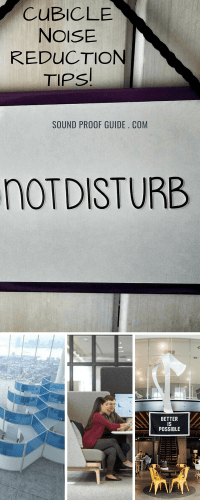
If you have a cubicle door or screen, shutting it may be enough to allow others know you need quiet. You could also install an indicator by your workstation entry that states “Please Do Not Disturb” or something comparable.

A small whiteboard can be a terrific means to leave particular messages about your availability.

As an example, when you’re performing time-sensitive work, compose something like, “Aiming to satisfy 2 PM target / leave a message, and I’ll return to you!”

DO NOT DISTURB sign
Add a DO NOT DISTURB sign on your cubicle door.

Ensure likewise to let your colleagues understand when you are available for conversation. When you’re not busy, you might switch out your “Do Not Interrupt” indication with a pleasant “Available!”

Conclusion

I hope you found this list of 20 cubicle noise reduction of great help to you and that you were able to discover at least a couple of cubicle noise solution.

Please let me know if you think of any other ideas to make a cubicle quieter. I will make sure to update our list with the best and most current information.

25 Best Ways on How To Reduce Noise In a Call Center That Actually Work!

SaveSave

SaveSave

SaveSave